Training
This is a general skills roadmap for informational purposes only, not a substitute for hands-on training, supervision, or certification. Vertical and rescue-related skills in particular should only be learned and practiced under the guidance of an experienced caver or certified instructor.
Roadmap
Tier 1: Foundational (before your first few trips)
- Understand basic cave safety — buddy system, never caving alone, telling someone your plan/return time
- Gear basics: helmet with chin strap, 3 independent light sources with batteries, appropriate clothing/footwear, food, water, first aid, etc.
- Body positioning for tight squeezes and low crawls
- Basic cave conservation ethics (don’t touch formations, stay on trail, “take only photos”, human waste disposal, etc)
- Recognizing and avoiding hazards: loose rock, water hazards, hypothermia signs
- White-nose syndrome decontamination protocol for gear
Tier 2: Basic technical skills (regular horizontal caving)
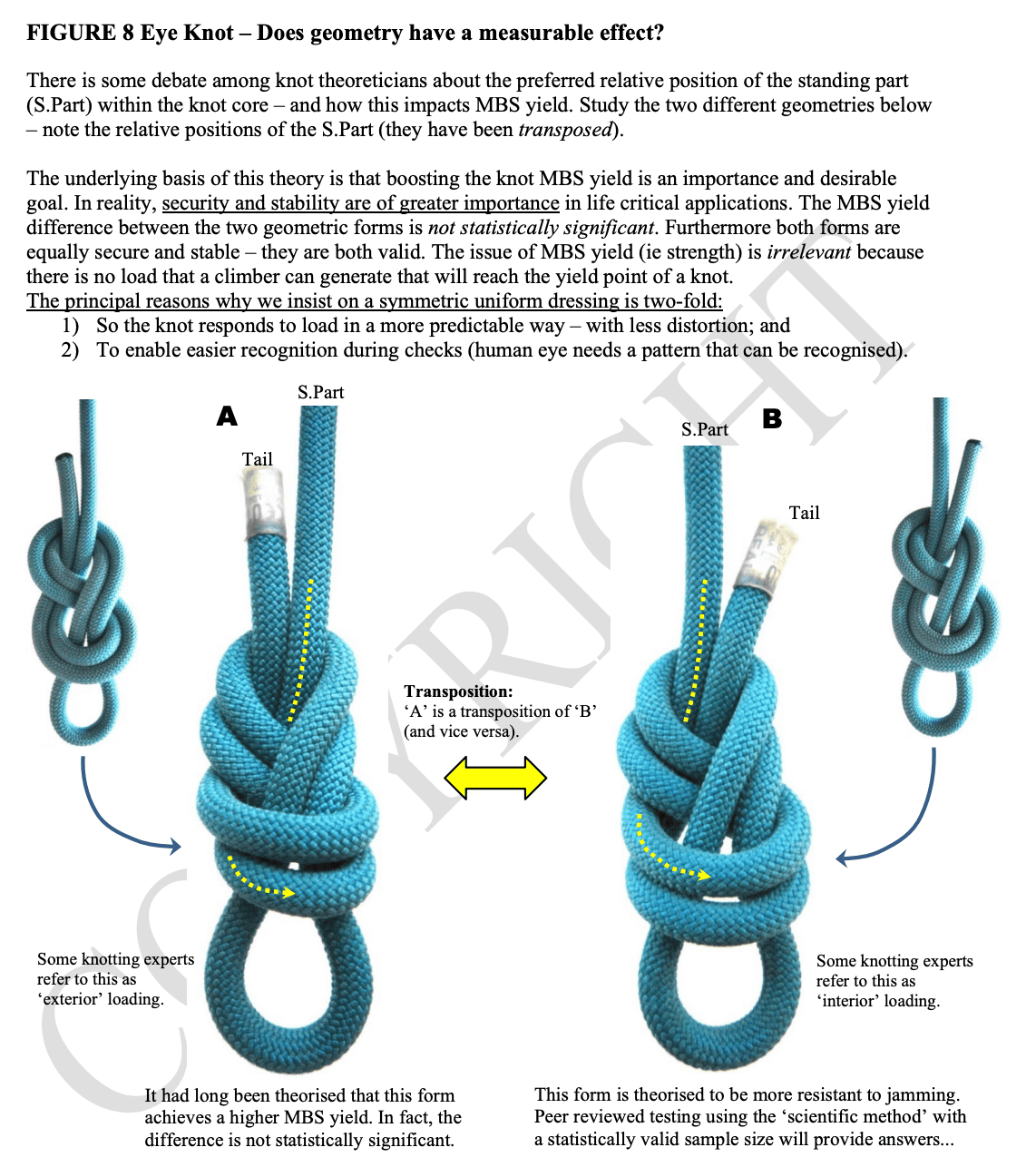
- Basic knots: figure-8, bowline, clove hitch, water knot, prusik, etc
- Reading and following a simple cave map
- Cave-specific movement: chimneying, traversing, downclimbing
- Basic first aid awareness for cave environments. Consider taking a Wilderness and Remote First Aid course from a certified instructor.
- Group communication in low-visibility/high-noise environments (echoing passages, waterfalls)
- Handline / fixed-line travel
Tier 3: Single Rope Technique (SRT) (introduction to vertical caves)
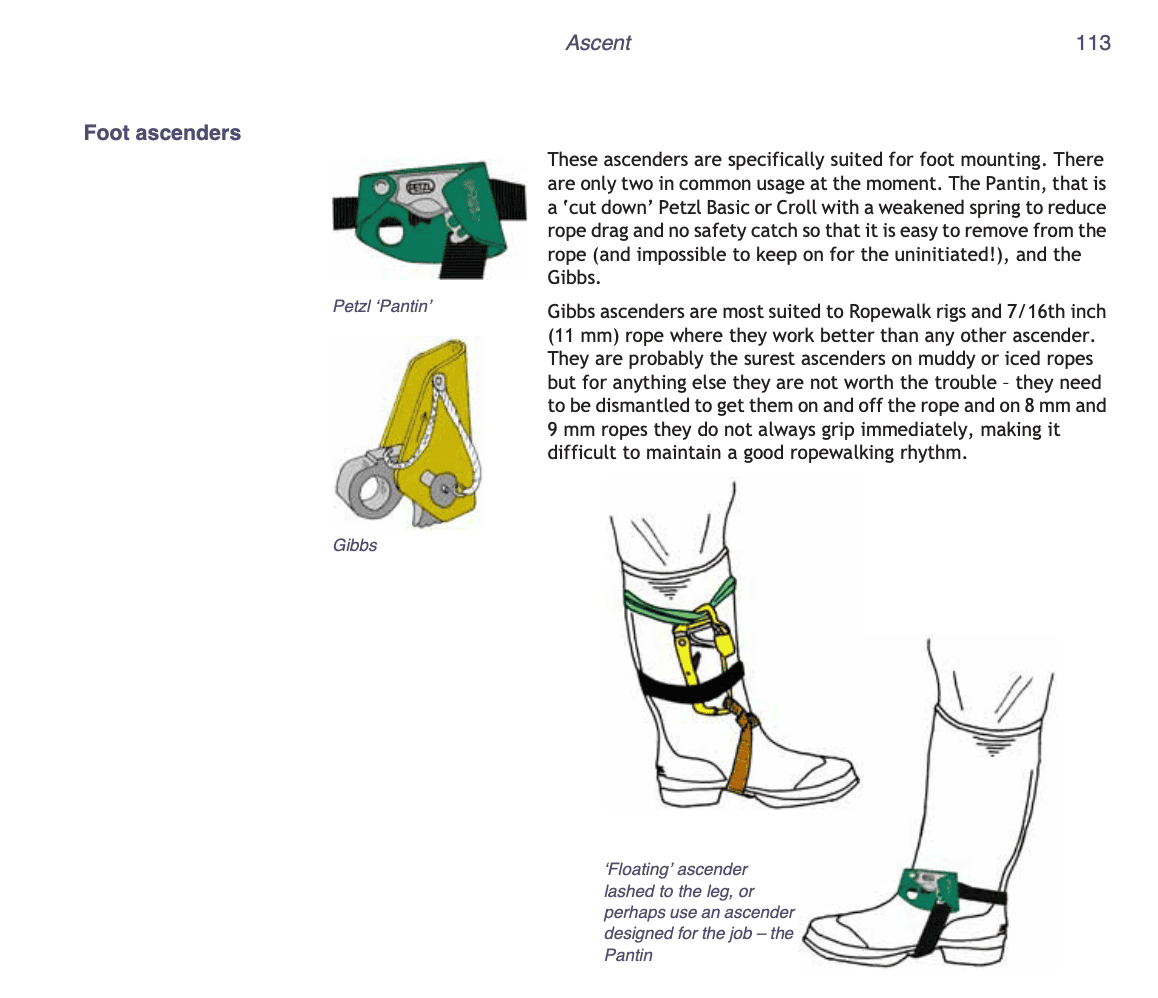
- Ascending — smooth, efficient, functioning system
- Descending in a controlled manner, including lock-off technique with minimal slippage
- Passing a knot on ascent and descent
- Down-climbing on rope without weighting the safety tether
- Change-over: ascent to rappel
- Change-over: rappel to ascent
- Basic vertical gear inspection and maintenance
Tier 4: Intermediate SRT (leading your own vertical caving trips)
- Trip planning: weather assessment, group skillset, turnaround/callout instructions, gear requirements, access logistics, etc.
- Rigging basics: anchors, deviations, re-belays
- Self-rescue fundamentals (assisting yourself if stuck on rope)
- Hauling (ie. 3:1)
Tier 5: Highly Advanced / Miscellaneous
- Advanced rigging (complex multi-pitch systems)
- Pick-offs and assisted rescue on rope
- Incident command basics, if pursuing rescue involvement further
- Cave survey
- Bolting
- Cave diving
- Releasable rigging (situational)
Derek Bristol videos
Derek Bristol has created a complete set of instructional videos on various topics (click each to collapse the view)
NCRC Small Party Assisted Rescue (SPAR) Preparation Guide
“NCRC requires all students to demonstrate basic skills prior to participation. SPAR students must be able to tie the knots listed below and demonstrate basic single rope techniques (SRT) competency.“
https://caves.org/wp-content/uploads/2025/07/SPAR-Entry-Prep-2025-v250718.pdf
Other
Professional Association of Climbing Instructors (PACI) knots
Probably the best technical breakdown of outdoor recreation knots and their uses. Click on the “Knots” Study Guide (the password is listed on the page): https://www.paci.com.au/knots.php
Cavediggers
An extremely well-rounded (albeit slightly outdated) set of materials covering everything gear to SRT to survey.
Cavediggers
National Cave Rescue Commission (NCRC) courses
A formal and specialized training organization that offers cave rescue courses from Orientation to Cave Rescue (OCR) to Small Party Assisted Rescue (SPAR)
https://caves.org/ncrc/courses/ncrc-course-descriptions/
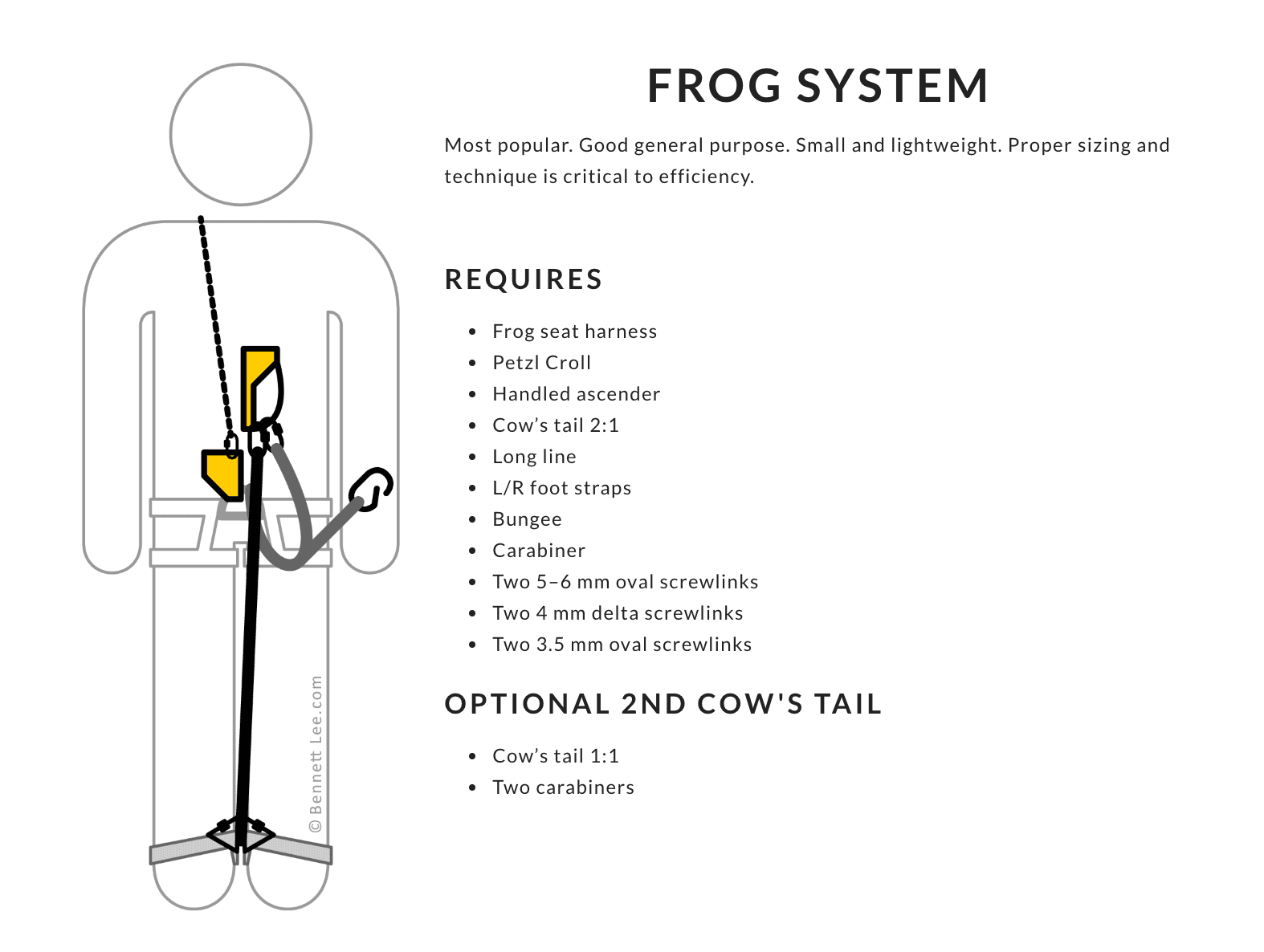
Ascending systems comparison
A detailed comparison of the frog, texas, mitchell, and ropewalker systems. https://bennettlee.com/caving/ascending-multi-system/